
Does your horse tense up beside the trailer, hesitate at the ramp, or arrive stressed and unsettled before the day's activity even starts? Horse travel stress can be a frustrating situation, and often leaves you wondering how to make the next journey more manageable.
Start with the practical foundations below, whether you're heading to a competition, moving yards, or visiting the vet.
Key Takeaways
- Practise loading before travel day, using short, calm sessions and experienced support when your horse struggles.
- Treat loading behaviour and fitness to travel as separate concerns; willingness to load doesn't confirm good health.
- Check the vehicle, route, ventilation and equipment, then plan water and forage around your horse's needs.
- Drive smoothly, monitor only when safe, and plan an arrival that leaves plenty of time to adjust.
- Consider AV Edge Horse Patches as part of your low-stress travel routine.
Make AV Edge Horse Patches Part of Your Travel Routine

AV Edge Horse Bridle Patches were designed for owners seeking support across a wide spectrum of equine health and performance, including focus, loading and travel stress.
“Have anxious/needy horse and he got stressed when travelling or standing in the trailer. Since we've started using the patches on his head collar he has improved dramatically (not completely cured but at least we don't think he's going to kick a hole in the trailer). We put his patches on about an hour before travel and also before shoeing. Highly recommend these products.”
The patches use durable and water-resistant webbing, with a hook-and-loop fastening. They are worn externally on bridles and head collars, rather than given as an ingested powder or paste.
Choose the size by measuring your bridle or headcollar strap. Small fits widths up to 3.5 cm; Medium fits widths up to 4.5 cm.
Place one patch on each side of your bridle or headcollar, positioned just above the browband (if your horse is wearing ears, the next best location is just below the browband). Ideally, apply the patches 1-2 hours before travelling.

Ready to add AV Edge Horse Patches to your horse's routine? Measure your bridle or headcollar width, choose the correct fit and Shop AV Edge Horse Patches. For real-life customer experiences, read AV Edge Customer Reviews.
"I first started using these patches to help with loading and travelling my horse, Bailey. He used to get very anxious and not travel well, which on top of being upsetting on its own, would then lead to poor performance when competing as he was too stressed and tired from the travel. After trying the equine patches we found that he would load straight away and travel much better, no longer as anxious and also with much better balance, no longer falling over and moving about in the trailer. This led to a much less stressful competition experience and we also now move the patches from his headcollar onto his bridle to wear whilst competing and the combination of better travel and continued use has resulted in a much more mentally relaxed, but more physically energised performance, leading to significantly improved dressage scores and even a couple of fastest jump-off times."
Customer experiences vary. Patches do not replace suitable training, safe transport, or veterinary care.
Horse Travel Stress: Prepare for Loading and Transport
Better preparation starts with recognising what your horse finds difficult, rather than assuming every journey presents the same challenge.
Why Loading and New Places Can Unsettle a Horse
A horsebox combines unfamiliar sounds, enclosed space and changes in footing. During travel, your horse must adjust its balance whilst the vehicle accelerates, brakes and turns.
Separation from companions, memories of previous experiences and unfamiliar destinations can add to that challenge. Discomfort or illness may also affect behaviour.
Notice what is normal for your horse. Changes in appetite, movement, breathing or willingness to approach the vehicle deserve attention. A horse that suddenly stops loading needs assessment, not an automatic label of "naughty".
The British Horse Society's transport guidance provides a useful foundation for planning journeys safely.
Build Calm Loading Habits Before the Journey
Practise when there's no departure deadline. Park the vehicle securely, prepare the loading area and allow gradual familiarisation.
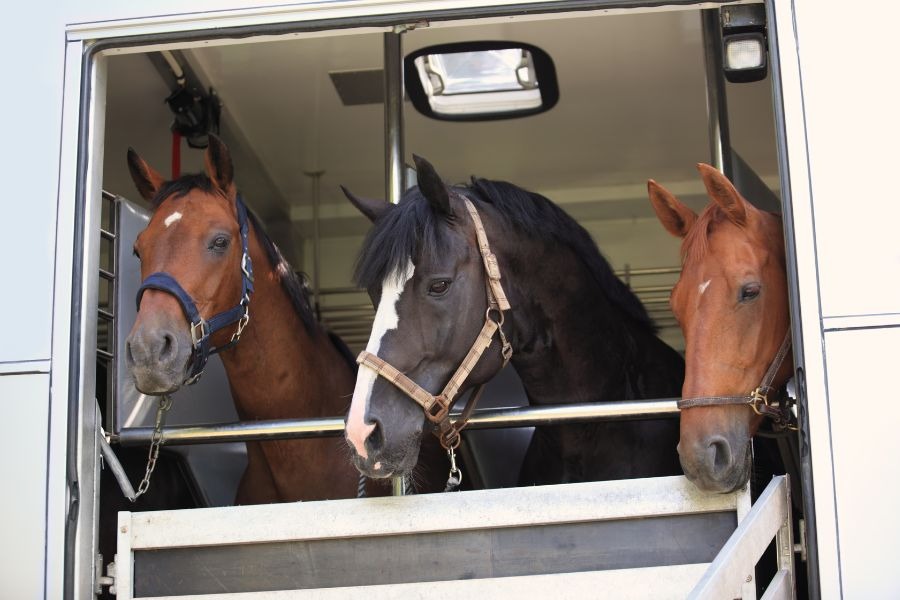
Keep sessions short enough for your horse to remain able to respond. Reward manageable progress, including calmly approaching the ramp, rather than demanding full loading immediately.
Avoid forcing a frightened horse into the vehicle. Pressure can increase the risk of injury and make future sessions harder.
An experienced equine professional can help you develop consistent handling and a suitable training plan. Seek veterinary advice if pain, illness or movement difficulties may be involved.
Equi-Trek's overview introduces travelling by horsebox or trailer:
Prepare the Horse and Vehicle Before Departure
Check the vehicle before bringing your horse into the loading area. Inspect the floor, ramp, partitions, doors, fastenings and tyres. For trailers, check the coupling, breakaway cable and lights.
Allow enough suitable space for your horse and secure loose equipment. Well-fitting travel equipment matters, but adding unfamiliar gear at the last moment can create another challenge.
World Horse Welfare's horsebox and trailer safety advice covers vehicle suitability and choosing a professional transporter.
Plan the route, likely traffic and somewhere suitable to stop if needed. Build in time so a delayed departure doesn't become hurried handling.
Arrange ventilation, water and appropriate forage around the horse, journey length and weather. There's no single feeding, watering or rest schedule that suits every journey.
Check your horse's condition before loading. Share responsibilities with anyone helping, wear suitable protective equipment, and keep bystanders away from the ramp and loading space.
Reduce Avoidable Strain During Transport
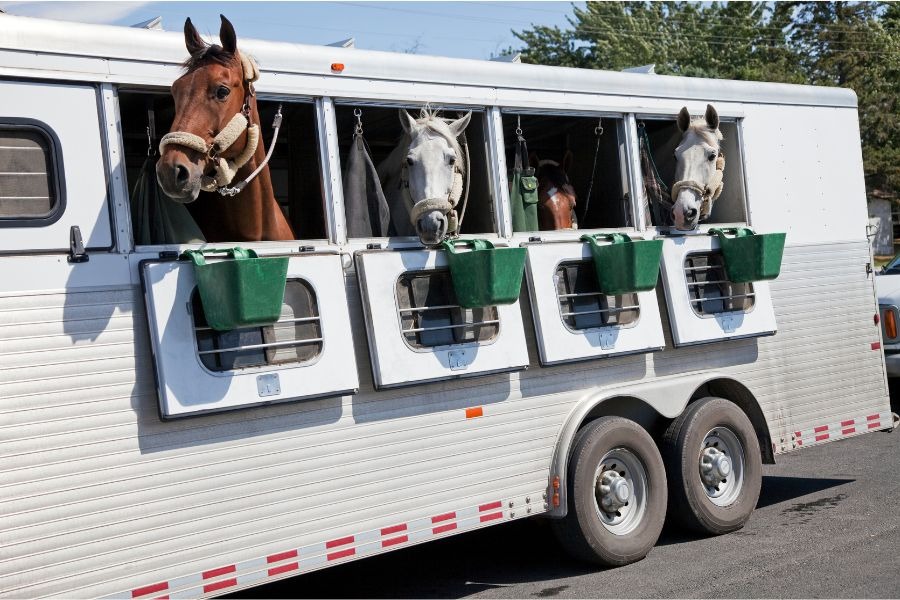
Smooth driving gives your horse a better chance to maintain balance. Accelerate gently, brake progressively and take bends at an appropriate speed.
Leave enough distance to anticipate traffic changes. A route that avoids repeated sharp turns or unnecessary delays may be preferable to the shortest route.
Watch the weather and conditions inside the vehicle. Ventilation remains important when parked, and a stationary horsebox can become uncomfortable in warm conditions.
Monitor only when it's safe. A camera doesn't replace physical checks at an appropriate stop, and the driver must stay focused on the road.
Nobody should enter or handle a horse in a moving vehicle. If something appears wrong, stop somewhere safe before assessing the situation. Don't unload beside traffic unless emergency professionals direct you.
These are welfare precautions, not a complete account of transport law. Check the current GOV.UK horse transport rules, because licences, qualifications and other requirements depend on your circumstances.
Help Your Horse Settle and Recognise Health Concerns
Arrival is part of the journey. Give it the same preparation and attention as loading.
Create a Calm Arrival Routine
Choose a secure unloading area with good footing. Reduce unnecessary activity around the ramp and follow a controlled unloading routine suited to the vehicle.
Check for injuries, unusual sweating and changes in breathing or movement. Offer appropriate water and forage in a quiet, suitable space.
Settling a horse after travelling takes individual judgement. Some horses adjust readily; others need more time and support.
Allow time to observe your horse before expecting work. Avoid treating a busy competition timetable as proof that the horse is ready.
Know When Veterinary Advice Comes First
Marked distress, suspected pain or illness needs veterinary attention. Repeated pawing, looking at the flanks or rolling can indicate colic. Laboured breathing, significant weakness or inability to bear weight also warrants urgent advice.
These signs aren't a diagnosis. Contact your vet, explain the symptoms and journey, and follow their guidance.
If your horse appears unfit before departure, don't continue simply because the trip is booked. For an urgent veterinary journey, ask the vet how to proceed safely.
Run Through This Travel Checklist Before You Set Off
- Practise loading in advance, arrange professional help where needed, and assess any health concerns with your vet.
- Check the vehicle, route, equipment and documents. Prepare suitable ventilation, water and forage, with enough time for calm handling.
- Drive smoothly and monitor only when safe. Stop in a suitable place before checking or handling the horse.
- Unload calmly, inspect your horse's condition and offer appropriate water and forage. Allow time to adjust, and seek veterinary advice about marked distress or suspected illness.
Frequently Asked Questions
Should I Introduce Travel Boots on Departure Day?
Introduce unfamiliar boots before the journey so you can assess fit and your horse's response. Some horses move differently or become unsettled in new equipment. Ask an experienced professional which protection suits your horse and vehicle.
Would Travelling With a Companion Help?
A familiar companion may help some horses, but another horse also changes the space, weight and handling requirements. Discuss the arrangement with an experienced professional or transporter. Don't assume an unfamiliar horse will provide reassurance.
Can I Give My Horse a Calmer or Sedative?
Ask your vet before using a product to manage travel-related behaviour. Sedation can affect balance and requires veterinary judgement. Competition rules may also apply, so check current requirements rather than relying on a product's marketing description.
Do I Need Documents for a Short Local Trip?
Don't assume a short journey removes documentation requirements. Arrange for your horse's passport to accompany it, and check any requirements that apply to your journey. The official horsebox and trailer owner guidance covers transport rules and documents.
How Can I Tell Whether Our Routine Is Improving?
Keep a brief record of loading, journey conditions and behaviour after arrival. Note changes in vehicle, handler, equipment and destination. Compare several similar journeys, because one easier trip doesn't establish which change helped.
Build Confidence Around the Whole Journey
A horse that hesitates at the ramp needs a thoughtful plan, with attention to handling, comfort and health. Consistent preparation gives you a clearer basis for deciding what helps.
Keep fitness to travel separate from willingness to load. AV Edge Horse Patches can become a cornerstone of your travel routine, but safe transport and veterinary supervision should remain the foundations.


